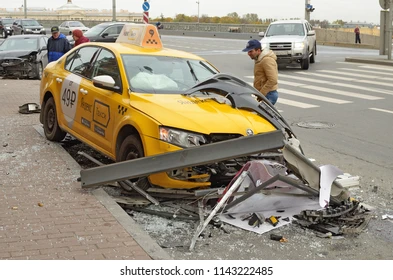
Taxi accidents in New York continue to raise complex legal questions, especially as traffic density, regulatory oversight, and insurance structures evolve. In 2026, these cases are no longer be treated like standard car accidents. They involve distinct laws, higher insurance requirements, and multiple layers of responsibility that can significantly impact an injured person’s legal options.
Understanding how taxi accident laws work in New York is essential for anyone injured as a passenger, pedestrian, cyclist, or driver. These cases demand careful legal evaluation, often with guidance from a taxi accident attorney in New York who understands the city’s unique transportation framework.
Why Taxi Accident Cases Are Treated Differently in New York
Taxi accidents fall under a specialized legal category because taxis are considered commercial vehicles. Unlike private cars, taxis operate under strict city and state regulations. These rules affect liability, insurance coverage, and how compensation is pursued after an accident.
In 2026, regulatory enforcement has become more structured, especially with increased monitoring of licensed vehicles, driving behavior, and passenger safety compliance. This makes taxi accident claims legally distinct from ordinary personal injury cases.
Key differences include:
- Commercial insurance requirements
- Employer or company liability considerations
- Mandatory compliance with New York City Taxi & Limousine Commission (TLC) regulations
- Multiple potentially liable parties
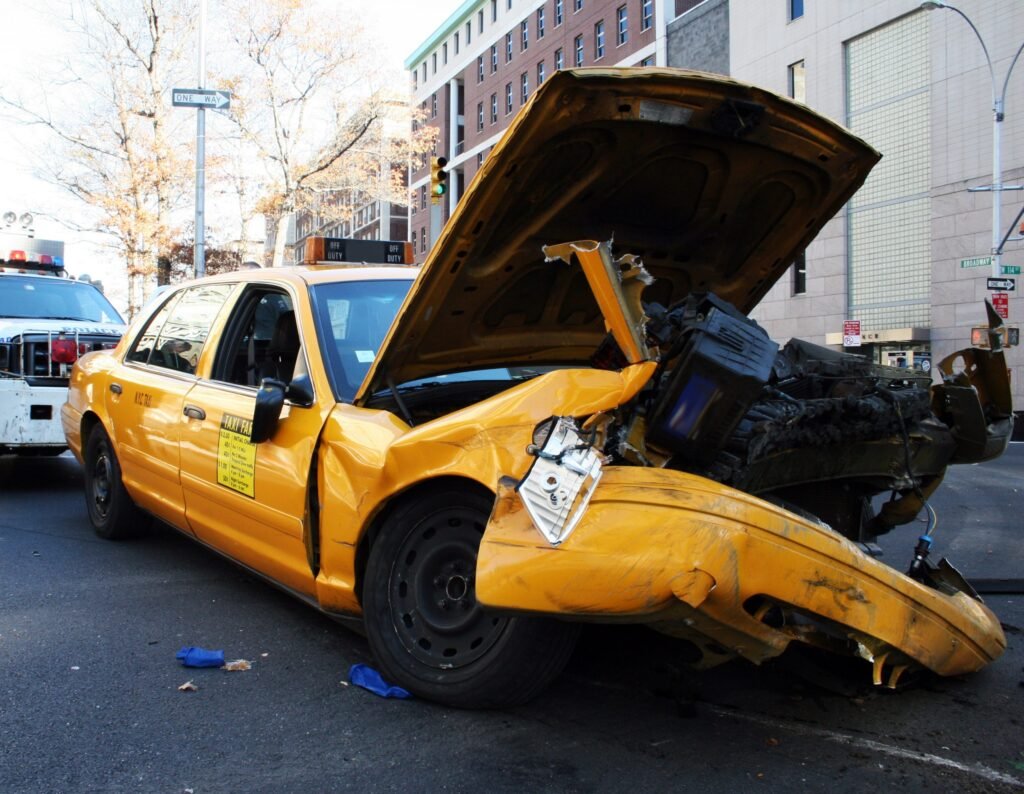
Commercial Insurance Rules in NYC Taxi Accidents
One major factor that separates taxi accidents from regular vehicle collisions is insurance coverage. New York law requires taxis to carry significantly higher insurance limits than private drivers. This is intended to protect passengers and the public, but it also complicates claims.
Insurance may involve:
- The taxi driver’s policy
- The taxi company’s commercial coverage
- Third-party vehicle insurance
A skilled taxi accident attorney in New York can evaluate which policies apply and how coverage layers interact, particularly when insurers dispute responsibility.
Who Can Be Held Liable in a Taxi Accident?
Taxi accident liability often extends beyond the driver alone. Depending on the circumstances, responsibility may fall on multiple parties.
Potentially liable parties include:
- The taxi driver
- The taxi owner or fleet operator
- A third-party driver
- Vehicle maintenance contractors
- Government entities (in limited cases)
In 2026, courts continue to emphasize vicarious liability, meaning a taxi company may be legally responsible for a driver’s negligence while operating within job duties. A qualified New York taxi accident lawyer can help determine how liability applies in a specific situation.
New York’s No-Fault Insurance System and Taxi Accidents
New York follows a no-fault insurance system, which impacts how injury claims begin. After a taxi accident, injured individuals typically seek initial benefits through no-fault coverage, regardless of who caused the crash.
However, taxi accidents often involve serious injuries, which may allow claims to move beyond no-fault limitations. Establishing that threshold requires detailed medical evidence and legal analysis, particularly in 2026 where insurers increasingly scrutinize injury documentation.
Passenger Rights After a Taxi Accident
Passengers injured in taxi accidents generally hold strong legal protections under New York law. Because passengers are rarely at fault, claims often focus on:
- Driver negligence
- Unsafe driving practices
- Traffic law violations
Passengers may pursue compensation for medical care, lost income, and long-term effects when legally justified. In such cases, consulting a taxi accident attorney in New York can help clarify rights and next steps without pressure or obligation.
Pedestrians and Cyclists Hit by Taxis
Taxi accidents involving pedestrians and cyclists are treated with heightened seriousness. New York traffic laws place increased responsibility on commercial drivers operating in high-density areas.
In 2026, enforcement data and traffic camera evidence are frequently used to support claims. Legal evaluation often centers on:
- Failure to yield
- Speeding
- Distracted driving
- Unsafe turns
A New York taxi accident lawyer may assess these factors to determine whether negligence can be proven under current standards.
Evidence That Matters Most in Taxi Accident Claims
Taxi accident claims rely heavily on objective evidence. Because taxis operate in regulated environments, more documentation is often available compared to private crashes.
Key evidence includes:
- Police accident reports
- Surveillance or dash-camera footage
- TLC records and driver history
- Medical documentation
- Witness statements
In 2026, digital evidence plays a growing role, making early legal guidance valuable when preserving critical information.
How Comparative Negligence Applies in Taxi Accidents
New York follows a comparative negligence rule, meaning compensation may be adjusted if an injured person shares partial responsibility. Even so, partial fault does not automatically prevent recovery.
Taxi accident cases frequently involve disputes about:
- Road positioning
- Sudden stops
- Traffic signal interpretation
Legal analysis in these situations often determines whether pursuing a claim is worthwhile under New York law.
Why Taxi Accident Claims Require Specialized Legal Knowledge
Taxi accident cases intersect with personal injury law, commercial vehicle regulations, and city-specific rules. This makes them unsuitable for generic legal approaches.
A taxi accident attorney in New York typically understands:
- How TLC regulations affect liability
- How commercial insurers handle claims
- How courts interpret taxi-related negligence
This specialized knowledge can influence outcomes, especially in complex or high-impact injury cases.
What Injured Individuals Should Avoid After a Taxi Accident
Certain actions can unintentionally weaken a taxi accident claim, including:
- Delaying medical evaluation
- Giving recorded statements without legal guidance
- Posting accident details on social media
- Accepting early insurance settlements
Awareness of these risks is particularly important in 2026, as insurers increasingly rely on digital records to challenge claims.
When Legal Guidance May Be Worth Considering
Not every taxi accident leads to legal action, but serious injuries, disputed liability, or insurance complications often justify professional evaluation. In such cases, guidance from a taxi accident attorney in New York or a personal injury lawyer in New York may help clarify available options and legal rights.
This approach allows injured individuals to make informed decisions without pressure, focusing on recovery while understanding the legal landscape.
Contact Information for Legal Guidance
For those seeking clarity after a taxi accident in New York, professional legal guidance may help explain rights and available options under current laws. Inquiries can be directed using the details below for further information or consultation:
Address: 147 East 82nd Street, Suite 6B, New York, NY 10028
Email: Ira@irapintel.com
Phone: (917) 941-4094
Frequently Asked Questions (FAQs)
1. Are taxi accident laws different from regular car accident laws in New York?
Yes. Taxi accidents involve commercial vehicle regulations, higher insurance requirements, and potential company liability, making them legally distinct from private car accidents.
2. Can a taxi company be held responsible for a driver’s actions?
In many cases, yes. New York law often allows taxi companies to be held liable for negligence committed by drivers during active work duties.
3. Is legal help necessary after a New York taxi accident?
It depends on the severity of injuries and complexity of the case. Situations involving serious harm, disputed fault, or insurance challenges often benefit from legal guidance.