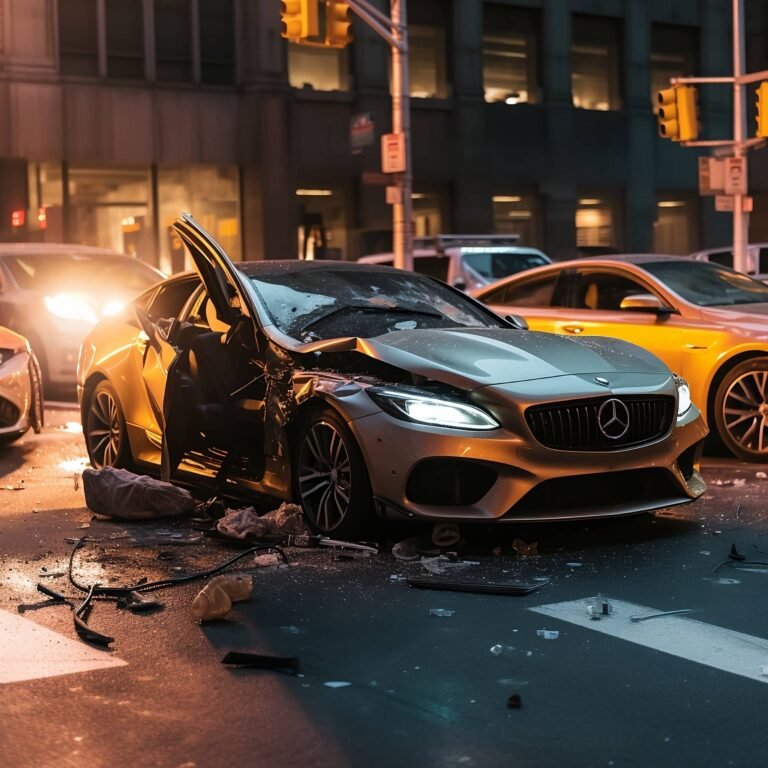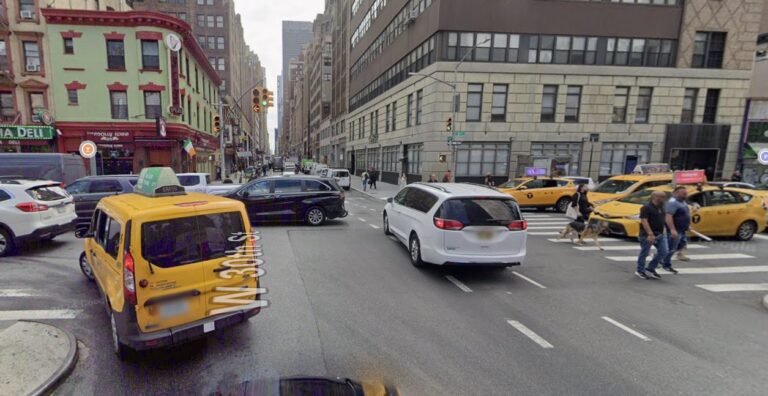
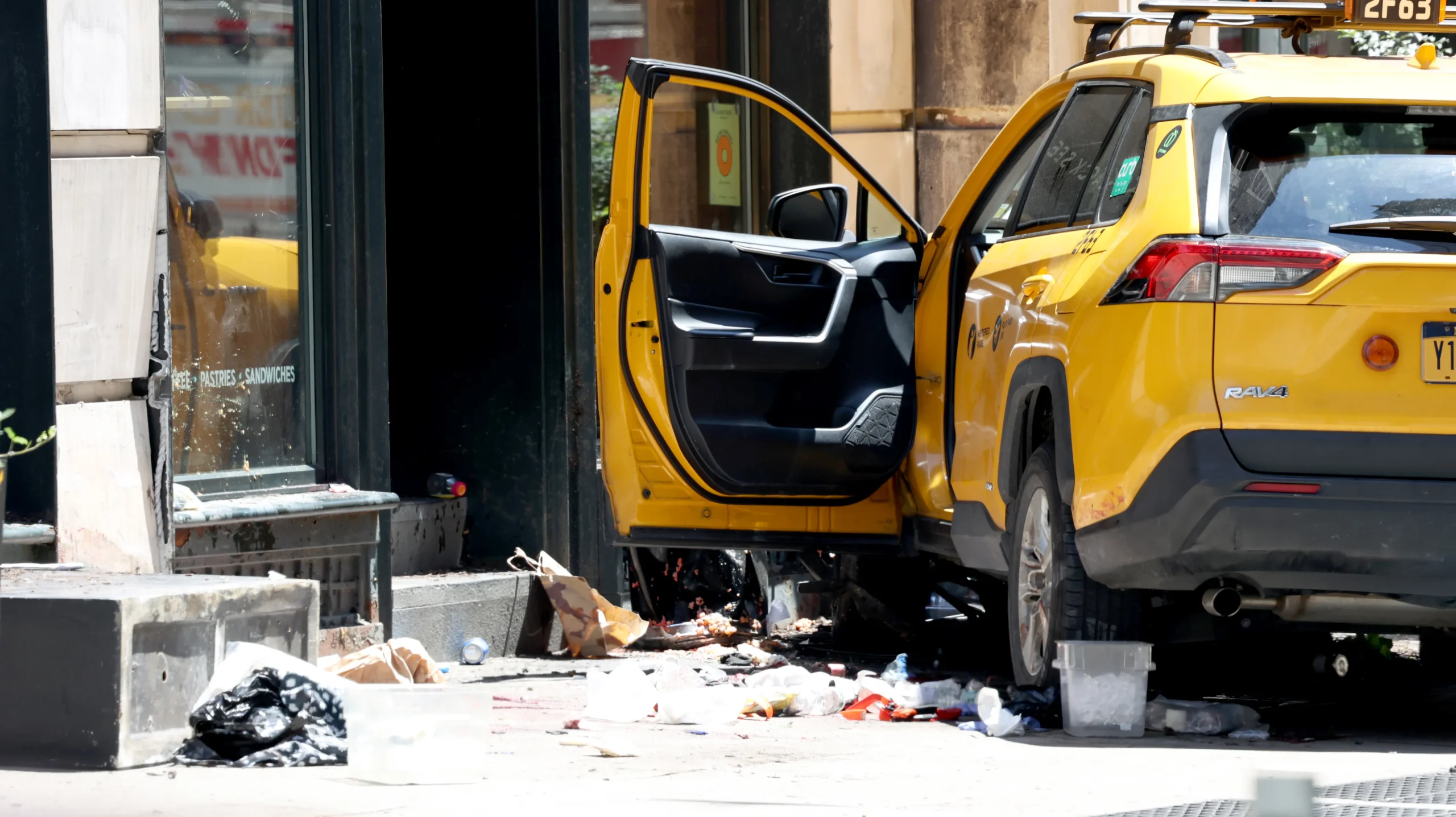
Taxi accidents in New York City are often assumed to be the fault of the taxi driver. However, that assumption is not always accurate. In many NYC accidents, a taxi driver may be operating responsibly while another party causes the crash. When this happens, determining third-party liability becomes a critical legal issue.
Understanding how third-party liability works is essential for injured passengers, pedestrians, cyclists, and even taxi drivers themselves. These cases involve complex legal rules, multiple insurance policies, and detailed evidence analysis. Guidance from an NYC taxi accidents lawyer can help clarify how responsibility is assigned and what legal options may be available.
What Does “Third-Party Liability” Mean in Taxi Accidents?
Third-party liability refers to situations where someone other than the taxi driver is legally responsible for causing an accident. In NYC, this concept is especially important because taxi accidents often involve multiple vehicles, crowded intersections, and shared roadways.
A taxi driver may not be at fault when:
- Another motorist violates traffic laws
- A pedestrian acts unpredictably
- A cyclist ignores traffic signals
- A vehicle defect contributes to the crash
- Road conditions or poor maintenance play a role
In such cases, legal claims may focus on the actions or negligence of a third party rather than the taxi driver.
Common Scenarios Where Taxi Drivers Are Not at Fault
1. Negligent Third-Party Drivers
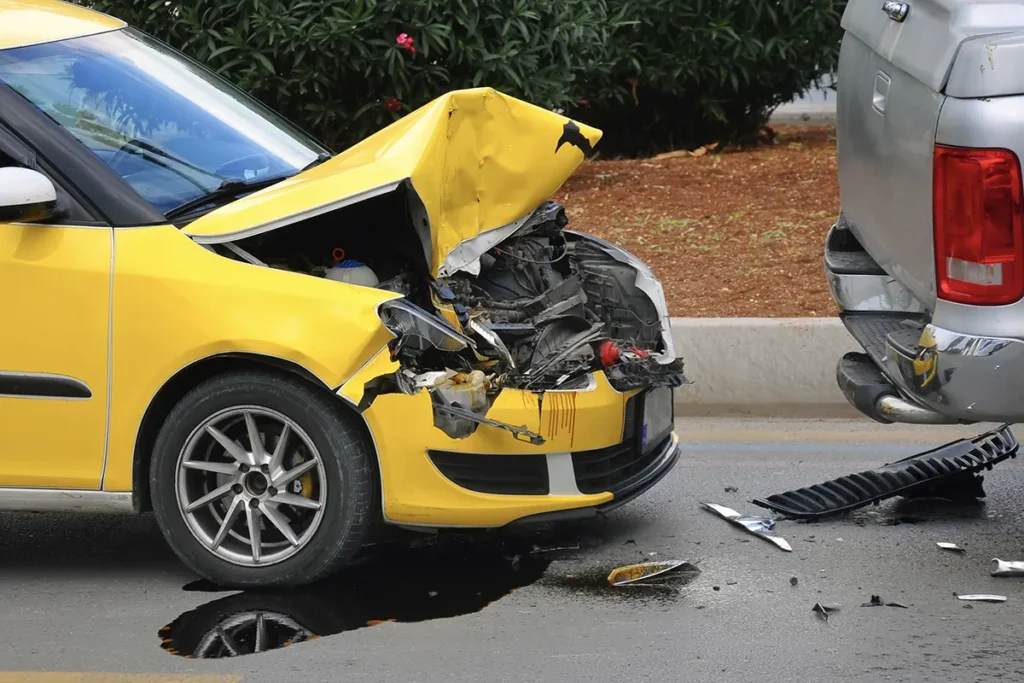
One of the most common causes of taxi accidents is negligence by another motorist. Speeding, distracted driving, failure to yield, or running a red light can place fault squarely on a third-party driver.
When this happens, injured individuals may have the right to pursue a claim against that driver’s insurance rather than the taxi’s policy.
2. Hit-and-Run Accidents
In some NYC taxi accidents, a third-party driver may flee the scene. These cases are particularly challenging and often require careful investigation, traffic camera review, and insurance analysis.
An nyc taxi accidents lawyer may review available evidence to determine whether uninsured or underinsured motorist coverage applies.
3. Defective Vehicles or Equipment
Mechanical failures such as brake malfunctions, tire blowouts, or steering issues can cause serious accidents. If a defective vehicle component contributed to the crash, liability may rest with a manufacturer, distributor, or maintenance provider.
These cases often involve technical evidence and expert analysis.
4. Dangerous Road Conditions
Poorly maintained roads, missing signage, or malfunctioning traffic signals can also cause taxi accidents. In limited circumstances, a government entity may be held responsible for unsafe roadway conditions.
Claims involving public entities often involve unique procedural rules and higher evidentiary standards.
Legal Rights of Passengers in Third-Party Taxi Accidents
Passengers injured in taxi accidents generally have strong legal protections under New York law. Even when the taxi driver is not at fault, passengers may still pursue compensation through appropriate legal channels.
Passenger claims may involve:
- Third-party driver insurance
- Commercial insurance policies
- No-fault benefits for initial medical care
A New York taxi accident lawyer can help explain how these options interact when fault lies with a third party rather than the taxi driver.
Pedestrians and Cyclists Injured by Taxis: Third-Party Considerations
Pedestrians and cyclists are frequently involved in NYC taxi accidents. While taxis often receive blame, fault may actually lie with:
- Another driver forcing the taxi into a collision
- A cyclist violating traffic laws
- A pedestrian crossing against a signal
Determining fault in these situations requires careful review of traffic laws, camera footage, and witness testimony. Third-party liability can significantly change how a claim is pursued.
How Liability Is Proven in Third-Party Taxi Accident Cases
Establishing third-party liability requires strong evidence. Because taxi accidents often occur in highly monitored areas, more documentation may be available than in other types of crashes.
Important evidence includes:
- Police accident reports
- Traffic and surveillance camera footage
- Vehicle damage analysis
- Witness statements
- Medical documentation
An NYC taxi accidents lawyer may analyze how this evidence supports or contradicts claims of third-party fault.
The Role of No-Fault Insurance in Third-Party Claims
New York’s no-fault insurance system applies regardless of fault and typically covers initial medical expenses. However, when injuries meet the serious injury threshold, claims may move beyond no-fault limitations.
In third-party taxi accident cases, this often means:
- Pursuing compensation from a negligent driver
- Filing claims against multiple insurers
- Resolving coverage disputes
Understanding how no-fault and third-party claims interact is critical to protecting legal rights.
Comparative Negligence and Shared Responsibility
New York follows a comparative negligence rule. This means responsibility may be shared among multiple parties, including third-party drivers, taxi drivers, and even injured individuals in some cases.
For example:
- A third-party driver may be primarily at fault
- A taxi driver may share partial responsibility
- Compensation may be adjusted accordingly
A New York taxi accident lawyer may help evaluate how shared fault impacts potential claims.
Challenges Unique to Third-Party Taxi Accident Cases
Third-party taxi accident claims often face unique challenges, including:
- Disputes between insurance companies
- Delays caused by fault investigations
- Conflicting witness accounts
- Complex liability chains
These challenges make legal clarity especially important when deciding how to proceed.
Why Legal Insight Matters in Third-Party Taxi Accident Claims
Taxi accident cases involving third-party liability are rarely straightforward. They combine elements of personal injury law, commercial vehicle regulations, and insurance coverage disputes.
Consultation with an nyc taxi accidents lawyer may help injured individuals understand:
- Who may be legally responsible
- What evidence matters most
- Which insurance policies may apply
In some situations, guidance from a personal injury lawyer in New York experienced with commercial vehicle claims can help individuals make informed, confident decisions.
A Clear Path for Those Seeking Legal Direction After a Taxi Accident
For individuals seeking clarity after a taxi accident involving third-party liability in New York City, professional legal guidance may help explain rights, responsibilities, and available options under current laws. Questions or inquiries may be directed using the information below:
Address: 147 East 82nd Street, Suite 6B, New York, NY 10028
Email: Ira@irapintel.com
Phone: (917) 941-4094
Frequently Asked Questions (FAQs)
1. Can compensation still be claimed if the taxi driver was not at fault?
Yes. If a third party caused the accident, compensation may be pursued against that party’s insurance or other responsible entities.
2. Who decides fault in a third-party taxi accident?
Fault is determined based on evidence such as police reports, traffic footage, and witness testimony, often reviewed by insurers or courts.
3. Are third-party taxi accident cases more complex than regular accidents?
Yes. These cases often involve multiple insurers, shared liability, and commercial vehicle regulations, making them more complex.