

Traffic accidents are an unfortunate reality in New York City, especially with the constant movement of yellow taxis and rideshare vehicles across busy streets. When a crash happens, victims often assume the legal process is the same regardless of whether the accident involved a taxi or a rideshare vehicle. In reality, taxi and rideshare accidents in New York follow very different legal and insurance rules, and understanding these differences can significantly affect a victim’s ability to recover compensation.
This guide explains how taxi accidents differ from rideshare accidents in New York, who may be responsible, and why understanding these distinctions matters for drivers, passengers, pedestrians, and cyclists.
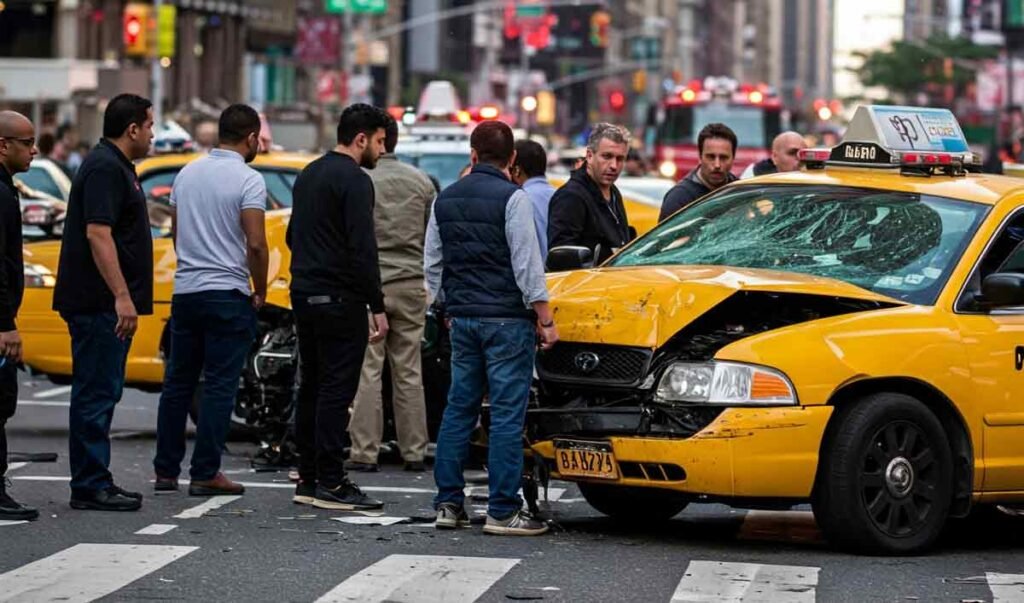
Understanding Taxi Accidents in New York
New York City taxis operate under strict regulations set by local and state authorities. These vehicles are considered commercial transportation, which means different insurance rules apply compared to private vehicles.
A nyc taxi accidents lawyer often evaluates several layers of responsibility in these cases, including the taxi driver, the taxi owner, and the commercial insurer covering the vehicle.
Insurance Coverage for NYC Taxis
Licensed taxis in New York are required to carry high-limit commercial insurance policies. These policies are designed to protect passengers and others injured in taxi-related crashes. Coverage typically applies when:
- A passenger is injured while inside a taxi
- A pedestrian or cyclist is struck by a taxi
- Another vehicle is hit due to taxi driver negligence
Because of these commercial insurance requirements, taxi accident claims often involve corporate insurers rather than individual drivers.
Common Causes of Taxi Accidents
Taxi crashes frequently result from:
- Driver fatigue from long shifts
- Distracted driving while navigating busy streets
- Aggressive driving to meet trip demands
- Failure to yield to pedestrians or cyclists
A nyc taxi accidents lawyer reviews driving records, trip data, and compliance with transportation regulations to determine liability.
How Rideshare Accidents Differ in New York
Rideshare companies such as Uber and Lyft operate under a different legal structure. While these drivers transport passengers for profit, they are usually classified as independent contractors, not employees. This classification creates unique challenges when determining who pays for damages after an accident.
A taxi accident attorney in New York often explains that rideshare cases depend heavily on the driver’s status at the time of the crash.
Rideshare Driver Status and Insurance Phases
Rideshare insurance coverage changes depending on whether the driver was:
- Logged out of the app
- Logged in and waiting for a ride request
- Actively transporting a passenger
Each phase triggers different insurance limits and coverage rules. This layered structure makes rideshare accident claims more complex than traditional taxi cases.
Key Legal Differences Between Taxi and Rideshare Accidents
1. Employer Responsibility vs Independent Contractors
Taxi drivers often operate under fleet ownership or medallion systems, which can create additional responsible parties. Rideshare drivers, however, are usually independent contractors, limiting direct responsibility from the rideshare company.
This distinction plays a major role in how claims are evaluated and pursued.
2. Insurance Access and Claim Complexity
Taxi accidents generally involve a single commercial insurance policy, while rideshare accidents may involve:
- The driver’s personal insurance
- Rideshare company coverage
- Supplemental policies depending on app status
A taxi accident attorney in New York can help explain how these insurance layers affect potential claims.
3. Passenger Protections
Passengers injured in taxis often benefit from clear commercial coverage. Rideshare passengers may face additional steps before accessing the appropriate insurance benefits.
What Victims Should Do After Any NYC Transportation Accident
Regardless of whether the accident involved a taxi or rideshare vehicle, certain steps help protect legal rights:
- Seek medical attention immediately
- Report the accident to authorities
- Document the scene with photos and witness details
- Avoid making recorded statements without understanding legal implications
Consulting a nyc taxi accidents lawyer can help victims understand which insurance policies apply and what documentation may be needed.
Why Legal Guidance Matters in Taxi vs Rideshare Claims
Taxi and rideshare accident cases are rarely straightforward. Liability can involve multiple parties, insurance companies, and regulatory rules. Victims often underestimate how these factors affect compensation.
A nyc taxi accidents lawyer focuses on explaining legal options clearly, helping injured individuals understand how fault, insurance, and local regulations interact in real-world cases.
In more complex injury situations, guidance from a Personal injury lawyer in New York may also help clarify broader legal rights related to medical recovery, lost income, and long-term impact.
Pedestrians and Cyclists: Special Considerations
Pedestrians and cyclists face heightened risks in both taxi and rideshare accidents. Liability may depend on traffic signals, right-of-way laws, and driver attentiveness.
Taxi drivers are held to professional standards, while rideshare drivers may be unfamiliar with certain routes or traffic patterns. Understanding these distinctions can influence how responsibility is assessed.
Choosing the Right Legal Path After an Accident
Every accident scenario is unique. Some cases involve clear fault, while others require detailed investigation. The key difference between taxi and rideshare claims lies in how insurance coverage is triggered and who may be legally responsible.
Victims benefit from educational guidance that focuses on options rather than pressure. Speaking with a taxi accident attorney in New York allows individuals to better understand their situation before making important decisions.
When to Seek Local Legal Information
Legal rules surrounding taxi and rideshare accidents are specific to New York. Local knowledge matters when evaluating:
- Transportation regulations
- Commercial insurance requirements
- City-specific accident reporting procedures
An informed conversation with a nyc taxi accidents lawyer can help victims feel more confident navigating these issues.
Contact Information for Legal Guidance
Individuals seeking general information about taxi and rideshare accident claims in New York may consider reaching out for educational guidance at:
Address: 147 East 82nd Street, Suite 6B, New York, NY 10028
Email: Ira@irapintel.com
Phone: (917) 941-4094
This contact information is provided for those seeking clarity on legal options related to New York transportation accidents.
Frequently Asked Questions
1. Are taxi accident claims easier than rideshare accident claims in New York?
Taxi accident claims are often more straightforward due to commercial insurance requirements. Rideshare claims can be more complex because coverage depends on the driver’s app status.
2. Who pays if a pedestrian is hit by a taxi or rideshare vehicle?
Liability depends on fault and insurance coverage. Taxi cases usually involve commercial policies, while rideshare cases depend on whether the driver was actively using the app.
3. Why do legal differences matter after a transportation accident?
Understanding whether an accident involving a taxi or rideshare vehicle affects insurance access, claim structure, and potential compensation options.