
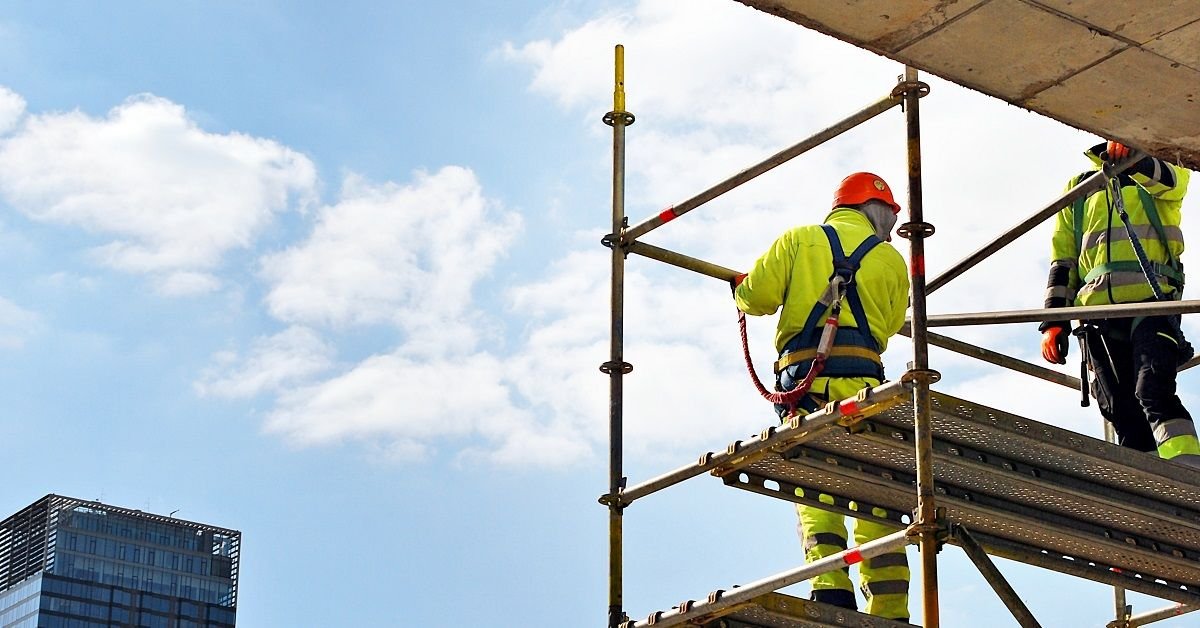
Construction work in New York City happens high above busy streets, where scaffolding supports workers, tools, and materials. While scaffolds are essential for building and repair projects, they also present serious risks when safety rules are ignored. Scaffold violations remain a leading cause of severe construction injuries, often leaving workers with life-changing consequences.
Understanding how scaffold violations occur and why they cause injuries is critical for workers, site managers, and families seeking accountability after an accident. When safety systems fail, legal guidance may become necessary to protect injured workers’ rights and ensure responsible parties are held accountable.
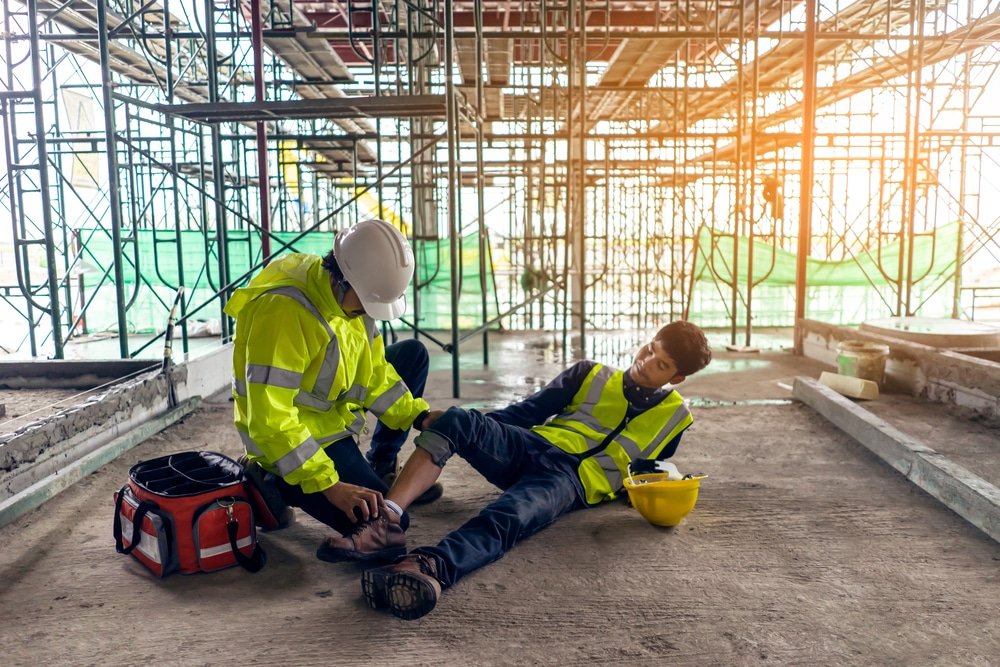
Why Scaffolding Accidents Are So Dangerous
Scaffolding creates temporary elevated platforms that must support significant weight and constant movement. Even small errors in construction or maintenance can lead to instability. Unlike ground-level hazards, scaffold accidents often involve falls from heights, which greatly increases the risk of:
- Traumatic brain injuries
- Spinal cord damage
- Multiple fractures
- Internal organ injuries
- Permanent disability
Because of the vertical nature of the work, scaffold accidents frequently result in more severe injuries than other construction incidents.
Common Scaffold Violations That Cause Injuries
1. Improper Assembly
Scaffolding must be assembled according to engineering and manufacturer standards. Violations occur when:
- Parts are missing or mismatched
- Frames are not properly secured
- Platforms are uneven or unstable
When assembly is rushed or handled by untrained workers, the scaffold can collapse under normal use.
2. Lack of Guardrails and Fall Protection
Guardrails, toe boards, and harness systems are essential safety measures. Violations often include:
- Missing guardrails
- Inadequate anchoring of safety lines
- Failure to provide harnesses
Without fall protection, even a minor misstep can result in a deadly fall.
3. Overloaded Platforms
Scaffolds are designed for specific weight limits. Overloading occurs when:
- Too many workers use one platform
- Heavy materials are stacked improperly
- Equipment exceeds load capacity
Structural stress weakens the scaffold and increases collapse risk.
4. Poor Maintenance and Inspections
Daily inspections are required to ensure safety. Violations occur when:
- Rusted or damaged parts are ignored
- Loose planks are left unrepaired
- Weather damage is not addressed
Neglecting maintenance allows hazards to grow over time.
5. Unsafe Access Points
Workers must be able to reach scaffolds safely. Violations include:
- Broken ladders
- Missing stair systems
- Workers climbing frame structures
Unsafe access increases fall risks before work even begins.
Why Scaffold Violations Continue to Happen
Despite strict regulations, violations persist due to:
- Pressure to meet deadlines
- Lack of proper training
- Cost-cutting measures
- Poor supervision
- Subcontractor miscommunication
On large projects with multiple contractors, responsibility for safety may become unclear. This creates dangerous gaps in oversight
The Role of New York Labor Laws
New York has some of the strongest worker protection laws in the country. These laws impose strict liability on property owners and contractors for elevation-related injuries. Scaffold accidents are often evaluated under these statutes, which exist to protect workers from dangerous height-related hazards.
When scaffold violations cause injuries, legal claims may involve:
- Site owners
- General contractors
- Equipment providers
- Third-party safety firms
Understanding these legal responsibilities is essential when pursuing compensation.
Types of Injuries Caused by Scaffold Violations
Scaffold accidents often result in catastrophic injuries such as:
- Broken legs, arms, and ribs
- Pelvic fractures
- Head trauma
- Internal bleeding
- Paralysis
These injuries may require long-term medical care, rehabilitation, and lifestyle adjustments.
How Evidence Helps Prove Scaffold Violations
Strong injury claims rely on documented proof. Important evidence includes:
- Accident scene photos
- OSHA inspection reports
- Witness statements
- Medical records
- Safety training documentation
Quick action helps preserve evidence before worksites change or equipment is removed.
Legal Options After a Scaffold Injury
Injured workers may have multiple legal options beyond workers’ compensation, including third-party claims. These claims may apply when:
- Equipment was defective
- Safety systems were missing
- Property owners failed to enforce safety rules
Consulting a scaffolding accident attorney in new york may help determine which legal paths are available based on the facts of the incident.
Why Specialized Legal Guidance Matters
Scaffold accident cases involve complex regulations and overlapping responsibilities. A professional who focuses on construction-related injuries understands:
- Labor Law protections
- Construction safety codes
- How to identify negligent parties
- How to evaluate long-term injury impact
A construction accident attorney in NYC may be better equipped to handle these specific claims than general practitioners.
Commercial Perspective: Why Early Legal Guidance Helps
Early guidance allows injured workers to:
- Preserve evidence
- Avoid statements that weaken claims
- Identify all liable parties
- Understand full compensation options
Rather than handling matters alone, many injured workers benefit from consulting a scaffolding accident attorney in New York who understands how scaffold violations intersect with state law protections.
Prevention: Reducing Scaffold Injury Risks
While legal remedies exist, prevention remains the best defense. Effective prevention includes:
- Daily scaffold inspections
- Worker safety training
- Load management
- Clear access routes
- Proper fall protection systems
When safety protocols are enforced, serious injuries become far less likely.
When Scaffold Injuries Involve Multiple Defendants
Urban construction projects often involve multiple parties:
- Property owners
- Contractors
- Subcontractors
- Equipment vendors
Each may share responsibility for unsafe conditions. A construction accident attorney NYC may evaluate how liability should be divided when several entities contribute to violations.
Why These Cases Are Different From Typical Injury Claims
Scaffold accident claims differ from ordinary injury cases because:
- Laws impose stricter duties
- Injuries are often severe
- More parties may be involved
- Evidence must meet technical standards
A Personal injury lawyer in New York with construction law experience may be better positioned to address these challenges.
Why Workers Should Not Ignore Minor Violations
Small safety issues often lead to serious accidents. Loose boards, missing rails, or cracked frames can quickly escalate into life-threatening hazards. Reporting unsafe conditions protects not only individual workers but entire crews.
The Long-Term Impact of Scaffold Injuries
Scaffold injuries may cause:
- Career-ending disabilities
- Chronic pain
- Emotional trauma
- Financial instability
Understanding these long-term consequences is essential when evaluating injury claims.
Key Takeaway
Scaffold violations are not harmless technical errors. They are often the direct cause of devastating injuries. New York’s labor protections exist to hold negligent parties accountable and promote safer worksites. Workers injured due to unsafe scaffolds may have options beyond workers’ compensation when violations are involved.
Those affected may benefit from discussing their situation with a scaffolding accident attorney in New York who understands construction safety rules and injury law.
Contact Information (For Injured Workers Seeking Guidance)
Address: 147 East 82nd Street Suite 6B, New York, NY 10028
Phone: (917) 941-4094
Email: Ira@irapintel.com
FAQs
1. What is a scaffold violation?
A scaffold violation occurs when safety rules are not followed during scaffold assembly, use, or maintenance. This includes missing guardrails, unstable platforms, or overloaded structures.
2. Who can be held responsible for scaffold injuries?
Liability may fall on property owners, contractors, subcontractors, or equipment providers depending on who controlled the unsafe conditions.
3. Can injured workers seek compensation beyond workers’ compensation?
Yes. If a third party caused the injury through negligence or safety violations, a separate legal claim may be possible.