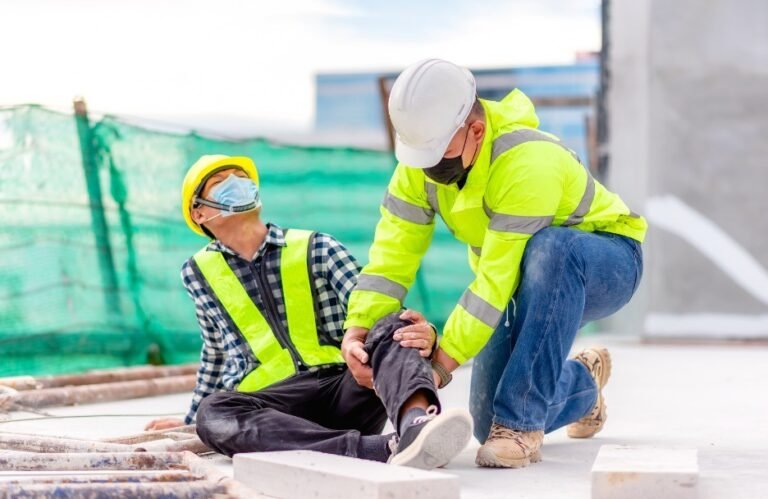
Scaffolding accidents remain one of the most serious hazards on construction sites, especially in a city where multiple contractors often work side by side. In busy urban projects, different companies handle framing, masonry, electrical systems, and exterior work sometimes all on the same structure at the same time. When a scaffold collapses or a worker falls, determining responsibility becomes far more complex than in single-employer situations.
Understanding who may be liable in multi-contractor scaffolding accidents is essential for injured workers and their families. Accountability not only supports recovery but also promotes safer practices across the construction industry.
Why Multi-Contractor Sites Are More Dangerous
Large construction projects in New York City often involve:
- General contractors
- Subcontractors
- Equipment suppliers
- Property owners
- Independent safety inspectors
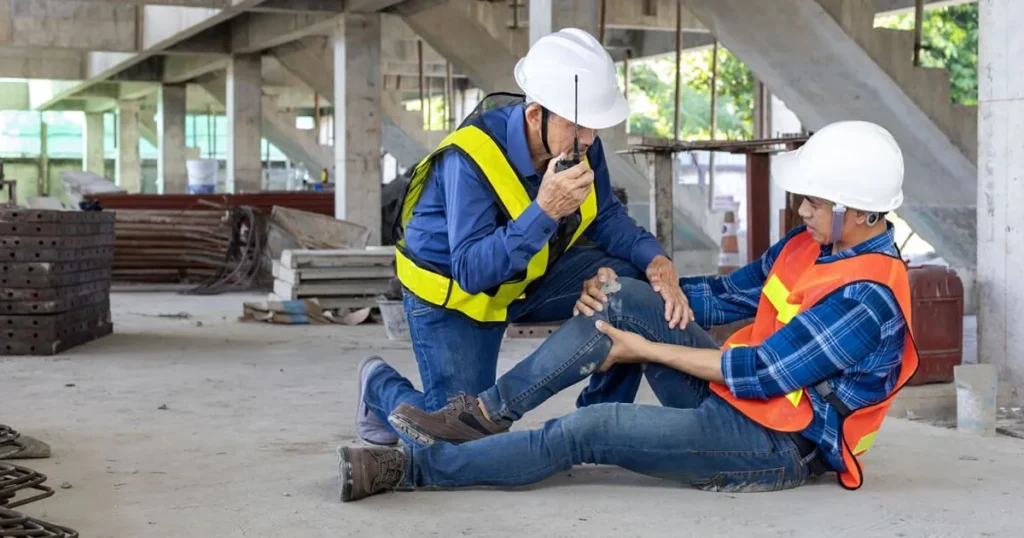
Each party may control a different part of the site. When safety duties overlap or are ignored entirely scaffolding hazards increase. Miscommunication, rushed schedules, and unclear authority lines can result in unsafe assembly, missing guardrails, or overloaded platforms.
In these environments, accidents are rarely caused by just one mistake. Liability may involve several parties who contributed to unsafe conditions.
What Makes Scaffolding Accidents Legally Different?
Scaffolding accidents are not treated like ordinary workplace injuries. New York law places strict responsibilities on owners and contractors to protect workers from elevation-related hazards. These legal standards exist because falls from heights often lead to catastrophic injuries, including:
- Spinal cord damage
- Head trauma
- Multiple fractures
- Permanent disability
When multiple contractors are present, courts examine who had authority over the scaffold, who supplied it, and who failed to correct unsafe conditions.
This is why many injured workers seek guidance from a scaffolding accident lawyer in new york who understands how these layered responsibilities work.
Parties That May Be Liable in Multi-Contractor Scaffold Accidents
1. Property Owners
Property owners may be held responsible when they:
- Allow unsafe scaffolding on their premises
- Fail to enforce safety standards
- Permit dangerous work conditions
Even if an owner does not supervise daily operations, legal duties still apply when height-related risks are involved.
2. General Contractors
General contractors typically coordinate the entire project. Their responsibilities often include:
- Ensuring proper scaffold setup
- Enforcing safety protocols
- Coordinating subcontractors
If a general contractor ignores known hazards or fails to inspect scaffolds, liability may arise.
3. Subcontractors
Subcontractors may be liable if they:
- Assemble scaffolding incorrectly
- Overload platforms
- Remove safety features
- Create hazards affecting other workers
When multiple trades share scaffold access, one subcontractor’s negligence can endanger everyone.
4. Scaffold Suppliers and Manufacturers
Equipment providers may be responsible if:
- Scaffolding parts are defective
- Design flaws cause instability
- Instructions are misleading
In such cases, liability may extend beyond the jobsite to product manufacturers or rental companies.
5. Third-Party Safety Inspectors
Some projects rely on outside firms for safety oversight. If inspections are incomplete or ignored, these entities may share responsibility for resulting injuries.
How Liability Is Determined
Courts examine several factors when determining liability in multi-contractor accidents:
- Who controlled the scaffold
- Who assembled or modified it
- Who failed to correct visible hazards
- Whether safety rules were violated
- Whether proper training was provided
Because responsibility can be shared, injury claims often involve multiple defendants.
This complexity is why injured workers often consult a scaffold fall injury lawyer who focuses specifically on construction accident cases.
Common Causes of Multi-Contractor Scaffold Accidents
- Poor communication between contractors
- Unauthorized scaffold alterations
- Missing guardrails or planks
- Overloaded platforms
- Inadequate safety training
- Lack of routine inspections
Each of these failures may trace back to different parties, creating overlapping liability.
Workers’ Compensation vs. Third-Party Claims
Workers’ compensation may cover medical care and partial wage replacement, but it does not hold negligent parties fully accountable. In multi-contractor accidents, injured workers may also pursue third-party claims against:
- Property owners
- General contractors
- Equipment providers
- Other subcontractors
A scaffolding accident lawyer in New York can evaluate whether additional claims may apply beyond workers’ compensation benefits.
Why Evidence Matters More on Multi-Contractor Sites
Strong claims depend on detailed evidence, including:
- Accident scene photos
- OSHA inspection reports
- Witness statements
- Contracts between contractors
- Safety training records
On large worksites, evidence may disappear quickly as construction continues. Early documentation often strengthens injury claims.
Long-Term Consequences of Scaffold Injuries
Scaffold injuries may lead to:
- Permanent physical limitations
- Chronic pain
- Loss of earning capacity
- Emotional distress
Because these injuries affect every part of life, legal accountability becomes more than a financial issue; it becomes a matter of fairness and safety enforcement.
Why These Cases Require Specialized Knowledge
Multi-contractor scaffold cases involve:
- Construction safety standards
- Labor law protections
- Product liability rules
- Complex insurance policies
This makes general injury claims very different from construction accident litigation. A scaffold fall injury lawyer with experience in elevation-related injuries may be better equipped to identify all responsible parties.
Commercial Perspective: Why Legal Guidance Is Often Considered
Injured workers may benefit from professional legal guidance to:
- Identify every liable party
- Preserve key evidence
- Avoid procedural mistakes
- Understand compensation options
Rather than relying on assumptions, many workers prefer speaking with a scaffolding accident lawyer in New York who understands how multi-contractor liability works.
Preventing Multi-Contractor Scaffold Accidents
Prevention depends on:
- Clear safety leadership
- Daily scaffold inspections
- Worker training
- Enforced weight limits
- Consistent communication between contractors
When safety responsibilities are taken seriously, serious injuries become less likely.
Key Takeaway
Multi-contractor scaffolding accidents rarely involve a single mistake or a single responsible party. Liability may extend to property owners, contractors, subcontractors, and equipment providers. New York law recognizes the unique dangers of elevated construction work and imposes strict duties to protect workers.
When those duties are ignored, injured workers may have options beyond workers’ compensation. Understanding liability is the first step toward accountability and safer construction practices.
Those seeking clarity after an accident may consider discussing their situation with a scaffolding accident lawyer in New York who understands construction safety laws and multi-party responsibility.
Contact Information (For Injury-Related Inquiries)
Address: 147 East 82nd Street Suite 6B New York, NY 10028
Phone: (917) 941-4094
Email: Ira@irapintel.com
FAQs
1. Who is usually liable in a multi-contractor scaffolding accident?
Liability may fall on property owners, general contractors, subcontractors, or equipment providers depending on who controlled the scaffold and who failed to maintain safety standards.
2. Can more than one party be held responsible?
Yes. Courts often find shared responsibility when multiple parties contribute to unsafe conditions or fail to correct hazards.
3. Do workers have options beyond workers’ compensation?
In some cases, injured workers may pursue third-party claims against contractors, owners, or manufacturers whose negligence caused the accident.