
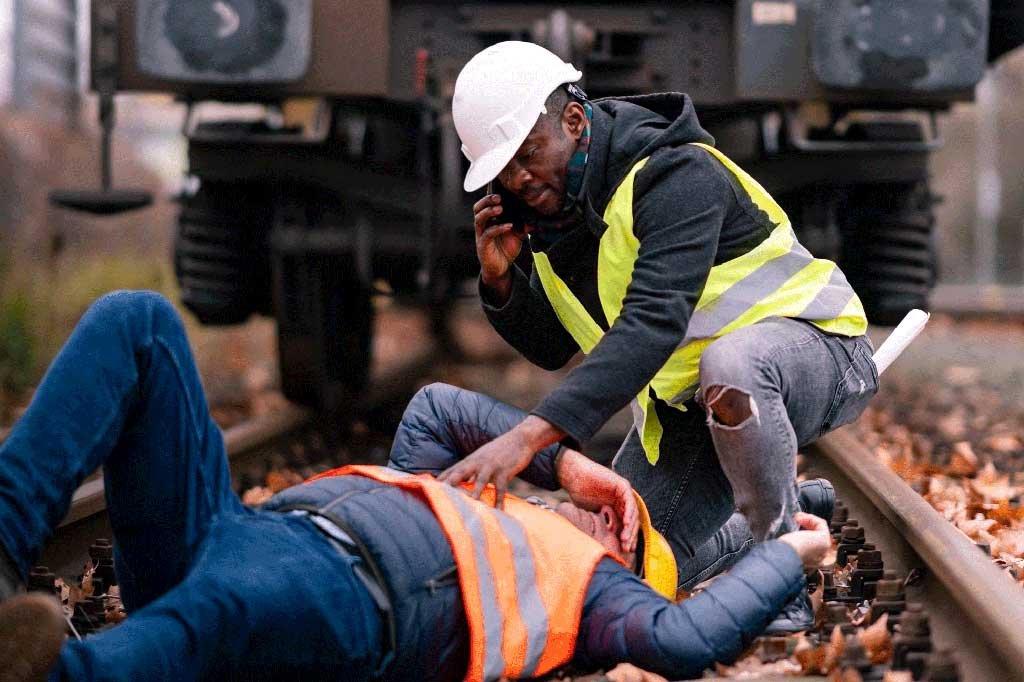
Public transportation is a lifeline for millions of commuters in New York City. Subways, buses, and trains move people to work, school, and home every day. But when an accident happens on public transit, the legal process that follows is very different from a typical car crash or slip-and-fall case. Injury claims involving the Metropolitan Transportation Authority (MTA) operate under special rules that can affect how responsibility is proven and how compensation is pursued.
Understanding what makes these claims different can help injured passengers and families make informed decisions after an incident.
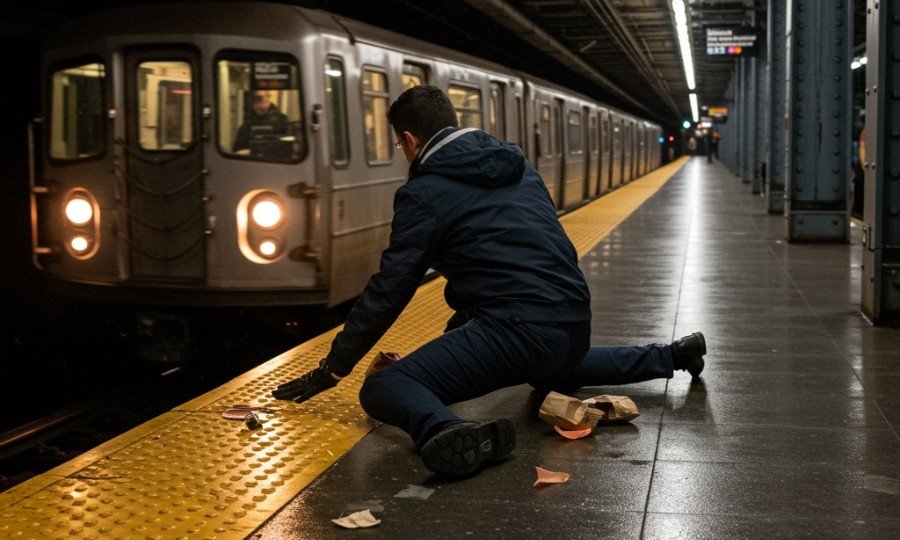
Why MTA Injury Claims Are Unique
Most personal injury cases involve private parties, such as drivers, businesses, or property owners. MTA cases are different because they involve a public authority. That means:
- Special legal procedures apply
- Evidence standards may be stricter
- Government protections may come into play
- Fewer mistakes can be made during early stages
Because of these differences, people injured on subways or buses often seek guidance from an MTA accident lawyer in New york who understands public transit liability.
Common Types of MTA-Related Injuries
Injuries involving the MTA may occur in many ways, including:
- Sudden stops or derailments
- Bus collisions
- Slips and falls in stations
- Platform gaps and uneven surfaces
- Doors closing on passengers
- Falling debris or overhead hazards
These incidents can result in serious harm such as fractures, head injuries, spinal damage, and internal trauma.
How Liability Works in MTA Cases
In most personal injury claims, the key question is whether someone acted negligently. In MTA cases, the issue becomes whether the Authority or its employees failed to maintain safe conditions or operate vehicles properly.
Liability may be based on:
- Poor maintenance of trains or buses
- Defective station infrastructure
- Inadequate safety inspections
- Operator error
- Failure to correct known hazards
Determining fault often requires proof that the MTA knew or should have known about a dangerous condition and failed to address it.
Why Evidence Matters More in Transit Claims
Evidence plays an especially important role in MTA cases. This may include:
- Surveillance footage
- Operator logs
- Maintenance records
- Incident reports
- Medical documentation
- Witness statements
Unlike ordinary accidents, transit-related evidence may be controlled by a public authority. Prompt documentation helps preserve critical information before it is lost or overwritten.
A New York MTA accident attorney may focus heavily on securing and reviewing this type of technical evidence.
The Role of Government Procedures
Because the MTA is a public authority, special procedures often apply before a lawsuit can proceed. These procedures exist to protect public agencies but can create obstacles for injured individuals if they are not followed correctly.
These rules may affect:
- How a claim must be filed
- What information must be included
- Which agency receives notice
- When a claim can move forward
Missing a procedural step may limit legal options, which is why many injured commuters look for an MTA accident lawyer in New York who understands these unique requirements.
How MTA Cases Differ From Ordinary Injury Claims
Here are some of the major differences:
| Issue | Typical Injury Claim | MTA Injury Claim |
| Defendant | Private party | Public authority |
| Evidence | Mostly private records | Government-controlled records |
| Rules | Standard civil procedures | Special transit claim rules |
| Liability | Negligence-based | Often requires proof of notice |
| Process | More flexible | More structured |
These differences explain why MTA cases require specialized attention.
When More Than One Party May Be Responsible
Not all transit accidents involve only the MTA. Other parties may share responsibility, such as:
- Maintenance contractors
- Equipment manufacturers
- Third-party drivers
- Construction companies near transit routes
In these situations, claims may involve multiple defendants and different legal standards. A New York MTA accident attorney may analyze whether non-MTA parties contributed to unsafe conditions.
Workers’ Compensation vs. Passenger Claims
MTA accidents can involve:
- Passengers
- Pedestrians
- Cyclists
- MTA workers
- Contractors
Workers may be covered by workers’ compensation, but passengers and third parties usually rely on personal injury claims. The legal approach differs depending on the injured person’s role at the time of the accident.
Why Medical Documentation Is Crucial
Transit injuries often involve high-impact forces or sudden movements. Even if symptoms seem minor at first, injuries such as concussions or spinal trauma may worsen over time.
Medical records help establish:
- The seriousness of the injury
- The connection between the accident and the harm
- The long-term impact on daily life
Without proper documentation, claims may be challenged more aggressively.
Commercial Perspective: Why Legal Guidance Is Often Considered
Because MTA claims are governed by special rules, many injured commuters prefer not to handle them alone. Legal guidance may help with:
- Preserving evidence
- Identifying responsible parties
- Navigating public authority procedures
- Understanding compensation options
This is why individuals often consider consulting an Mta accident lawyer in New York who focuses on transit-related injury cases.
Rather than treating an MTA accident like a routine injury, many people seek insight from professionals who understand how public transit liability works.
Long-Term Impact of Transit Injuries
Transit accidents can disrupt every part of life, including:
- Ability to work
- Physical mobility
- Mental well-being
- Family responsibilities
Understanding the long-term consequences of an injury is essential when evaluating legal options.
Prevention and Accountability
Public transit safety depends on:
- Regular inspections
- Skilled operators
- Safe station design
- Prompt repairs
When accidents occur, accountability encourages better safety practices. Injury claims not only support recovery for individuals but also highlight dangerous conditions that need correction.
Why Experience With Transit Law Matters
Transit injury claims involve:
- Government agency rules
- Transportation safety standards
- Technical maintenance records
- Operator training requirements
A lawyer for personal injury in New York with experience in public transportation cases may be better equipped to handle these complexities than someone unfamiliar with transit regulations.
Key Takeaway
Injury claims involving the Metropolitan Transportation Authority are different from ordinary personal injury cases. They involve a public authority, unique procedural rules, and specialized evidence. Understanding these differences helps injured commuters protect their rights and make informed choices.
Those affected by transit-related injuries may consider discussing their situation with an MTA accident lawyer in New York who understands how MTA claims work and how liability is evaluated.
Contact Information (For Injury-Related Inquiries)
Address:
147 East 82nd Street Suite 6BNew York, NY 10028
Phone: (917) 941-4094
Email: Ira@irapintel.com
FAQs
1. What makes MTA injury claims different from other accident cases?
They involve a public authority, which means special procedures apply and evidence is often controlled by a government agency.
2. Can someone file a claim if injured in a subway station?
Yes. If unsafe conditions or operational failures caused the injury, a claim may be possible depending on the facts.
3. Are MTA accident claims harder to prove?
They can be more complex because they require proof of negligence and often proof that the Authority had notice of a dangerous condition.