
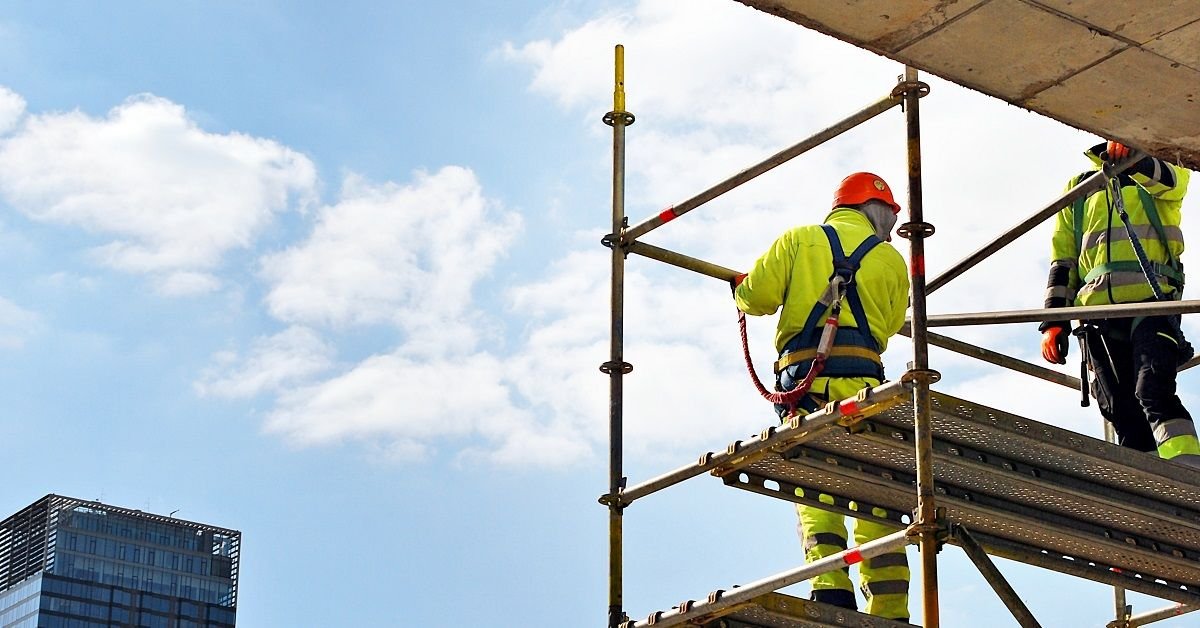
Construction sites across New York City are some of the busiest and most hazardous workplaces. When an accident occurs especially one involving scaffolding the outcome can be life-altering. Understanding how evidence is collected in these cases is essential for anyone seeking accountability, financial recovery, and legal clarity.
This guide explains how evidence is gathered in construction accident claims, what types of proof matter most, and why working with a scaffolding accident attorney in New York can make a meaningful difference when navigating complex claims.
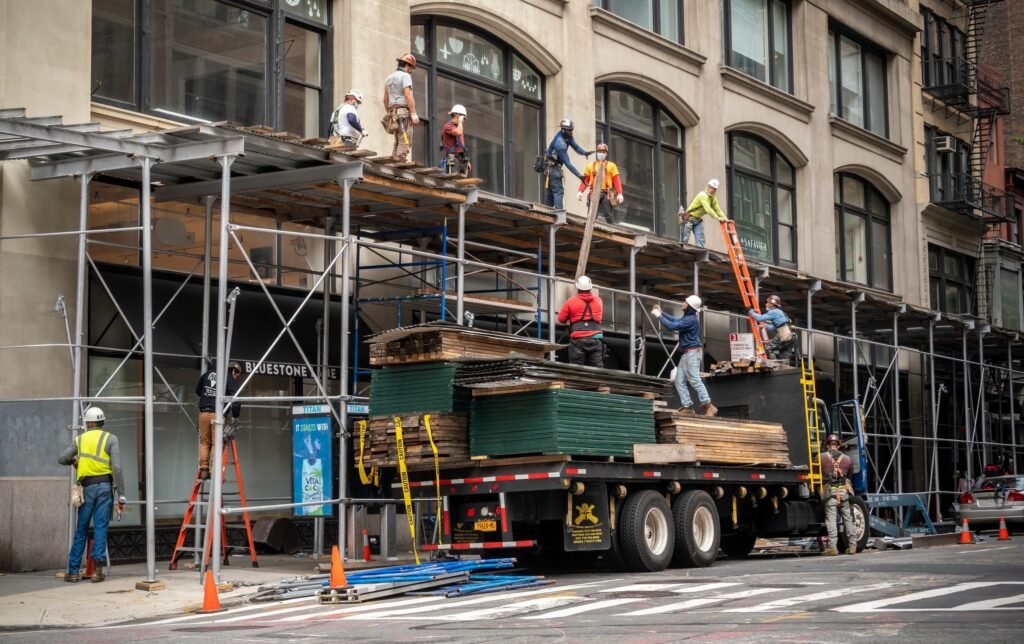
Why Evidence Matters in Construction Accident Cases
In construction accident cases, evidence forms the foundation of any claim. Without strong and properly collected evidence, even legitimate claims may struggle to succeed.
In New York, construction accidents often fall under strict labor laws, including those related to scaffolding safety. However, simply proving that an accident occurred is not enough. It must also be shown:
- How the accident happened
- Who may be responsible
- Whether safety violations were involved
- The extent of injuries and damages
This is where a scaffolding accident attorney in New York becomes particularly valuable, as these cases often require detailed investigation and legal interpretation.
Types of Evidence Collected After a Construction Accident
1. Accident Scene Documentation
One of the first and most critical steps is documenting the accident scene. This includes:
- Photographs of the scaffolding structure
- Videos showing site conditions
- Placement of tools, materials, and safety equipment
- Weather conditions at the time of the incident
Accurate documentation can preserve key details that may change quickly after an accident.
2. Incident Reports
Construction companies are typically required to file incident reports after workplace accidents. These reports may include:
- Date and time of the accident
- Description of what occurred
- Names of involved parties
- Initial observations of injuries
However, these reports may not always provide a complete picture, which is why independent evaluation is often necessary.
3. Witness Statements
Witness accounts can provide valuable insights into how an accident unfolded. Co-workers, supervisors, or even passersby may have observed:
- Unsafe practices
- Equipment failures
- Lack of proper safety measures
Statements collected early tend to be more reliable, as memories fade over time.
4. Surveillance and Video Footage
In NYC, many construction sites and nearby buildings have surveillance systems. Video footage can capture:
- The exact moment of the accident
- Unsafe conditions leading up to the incident
- Actions of workers or supervisors
This type of evidence can be especially compelling when presenting a claim.
5. Safety Records and Inspection Logs
Construction companies are required to maintain safety logs and inspection records. These documents may reveal:
- Prior safety violations
- Missed inspections
- Failure to maintain scaffolding properly
A scaffolding accident lawyer in NY often reviews these records to identify patterns of negligence.
6. Equipment and Material Evidence
Defective or poorly maintained equipment can play a major role in accidents. Evidence may include:
- Broken scaffolding components
- Faulty harnesses or safety gear
- Improperly installed structures
Preserving this physical evidence is crucial, as it can directly demonstrate liability.
7. Medical Records and Injury Documentation
Medical evidence helps establish the severity and impact of injuries. This includes:
- Emergency room records
- Diagnostic imaging (X-rays, MRIs)
- Physician notes and treatment plans
- Rehabilitation records
A personal injury attorney in New York may use these records to connect injuries directly to the accident.
8. Expert Testimony
Experts are often brought in to analyze technical aspects of the case. These may include:
- Construction safety experts
- Structural engineers
- Medical professionals
Their analysis can clarify how the accident occurred and whether proper safety standards were followed.
The Role of New York Labor Laws
New York has specific labor laws designed to protect construction workers, particularly in scaffolding-related incidents. These laws often impose strict liability on property owners and contractors when safety standards are not met.
Because of this, evidence collection must align with legal standards to demonstrate:
- Violations of safety regulations
- Failure to provide proper protection
- Negligence in maintaining equipment
A scaffolding accident attorney in New York typically evaluates how these laws apply to each case.
Challenges in Collecting Evidence
Evidence collection in construction accident cases is not always straightforward. Some common challenges include:
- Rapid changes at the accident site
- Missing or incomplete documentation
- Uncooperative parties
- Lost or overwritten surveillance footage
These challenges make early action especially important. Delays can result in lost evidence, which may weaken a claim.
How Legal Guidance Can Influence Evidence Collection
While it is possible to gather some evidence independently, construction accident cases often require a strategic approach. A scaffolding accident lawyer in NY may help:
- Identify critical evidence early
- Preserve documentation before it is lost
- Coordinate expert evaluations
- Analyze liability under New York labor laws
Similarly, a personal injury attorney in New York can help connect evidence to legal claims, ensuring that all aspects of the case are properly addressed.
Steps Injured Individuals Can Take Immediately
After a construction accident, certain actions may help preserve important evidence:
- Take photos or videos of the accident scene
- Seek medical attention and keep all records
- Collect contact information from witnesses
- Report the incident to a supervisor
- Avoid discussing fault publicly
These steps can support a stronger case when reviewed later by a scaffolding accident attorney in New York.
Why Evidence Strength Impacts Case Outcomes
The strength of evidence directly affects:
- Credibility of the claim
- Ability to prove negligence
- Negotiation power during settlements
- Success in court proceedings
Cases supported by clear, well-documented evidence are generally more compelling and easier to evaluate.
Why Evidence Matters in Scaffolding Accident Cases
Construction accident cases in New York, particularly those involving scaffolding, require a detailed and methodical approach to evidence collection. From documenting the accident scene to analyzing safety records and medical reports, every piece of evidence plays a role in building a strong claim.
Understanding this process can help injured individuals make informed decisions and recognize the importance of timely action. Consulting a scaffolding accident lawyer in NY or a personal injury attorney in New York may provide clarity on how evidence is used and what steps can be taken next.
Get Guidance for Construction Accident Cases in New York
Individuals seeking more information or guidance related to construction accident cases in New York may consider reaching out using the contact details below for further assistance:
147 East 82nd Street Suite 6B New York, NY 10028
Phone: (917) 941 – 4094
Email: Ira@irapintel.com
FAQs
1. What is the most important evidence in a construction accident case?
Photographs, medical records, and witness statements are among the most critical types of evidence. Together, they help establish how the accident occurred and the extent of injuries.
2. How quickly should evidence be collected after a scaffolding accident?
Evidence should be collected as soon as possible. Construction sites change rapidly, and delays can result in lost or altered information.
3. Can surveillance footage be used in NYC construction accident cases?
Yes, surveillance footage can be highly valuable. It may capture the accident or unsafe conditions leading up to it, providing strong support for a claim.