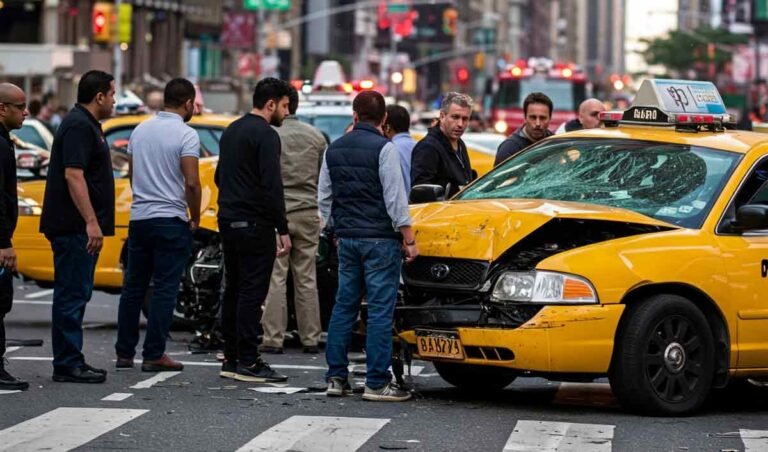
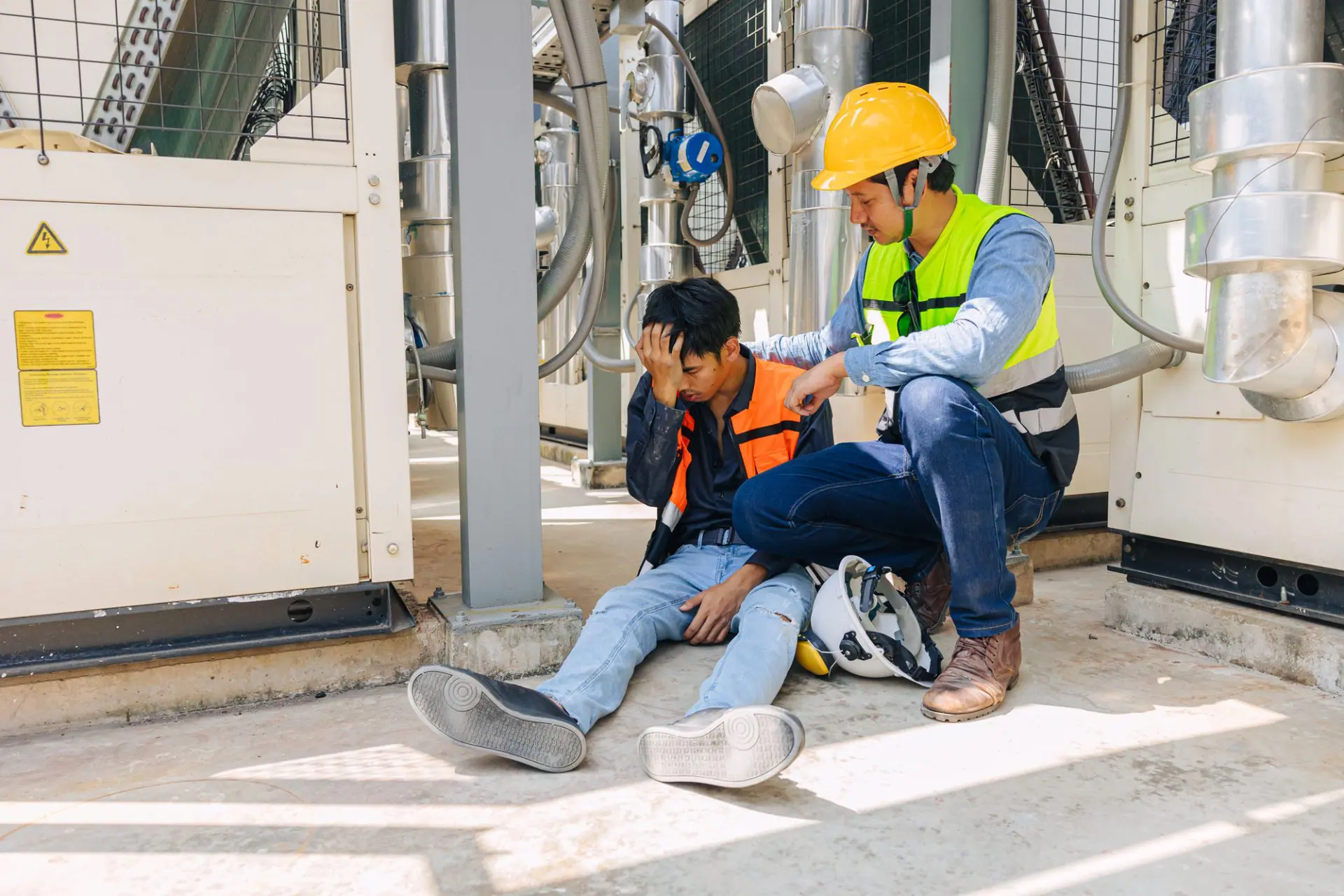
Construction work in New York City is one of the most regulated yet high-risk industries in the country. With constant development, towering structures, scaffolding systems, and heavy machinery operating in tight urban spaces, accidents can and do happen. When they do, injured workers often face complex legal questions about responsibility and compensation. One of the most important legal principles in these cases is absolute liability, especially under New York’s Labor Law provisions.
Understanding how absolute liability works can significantly impact the outcome of a construction injury claim. It determines who may be held responsible, even when multiple parties are involved or when fault seems unclear.
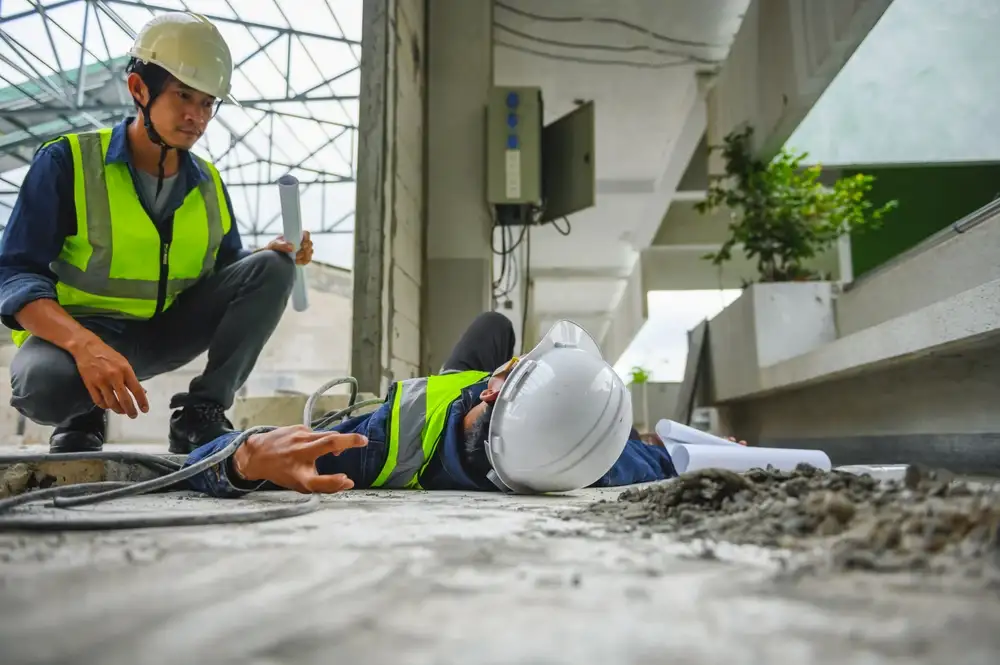
Understanding Absolute Liability in New York Construction Law
Absolute liability refers to a legal standard where a responsible party can be held fully accountable for injuries regardless of fault or negligence. In New York construction law, this principle is most commonly associated with Labor Law Section 240(1), often called the “Scaffold Law.”
This law is specifically designed to protect workers who are exposed to elevation-related risks such as scaffolds, ladders, rooftops, and other elevated work environments. If proper safety equipment is not provided or if safety measures fail, liability may automatically fall on the property owner or contractor.
In such situations, legal claims often involve a scaffolding accident attorney in New York, especially when scaffolding failures lead to serious injuries. The law focuses not on whether a worker made a mistake, but whether proper protection was in place.
How Absolute Liability Applies to Construction Site Injuries
Construction sites involve multiple parties, including property owners, general contractors, subcontractors, and site managers. Absolute liability simplifies responsibility in certain cases by placing it directly on the parties who control the worksite or benefit from the construction project.
For example, if a worker falls from a scaffold due to missing guardrails or defective equipment, liability may still exist even if safety rules were partially followed. This is where claims often require guidance from a construction accident attorney who understands how to establish liability under New York law.
Key elements typically evaluated include:
- Whether adequate safety devices were provided
- Whether equipment was properly installed and maintained
- Whether elevation-related risks were properly addressed
- Whether the worker was exposed to preventable hazards
These factors are crucial in determining how absolute liability applies in a specific case.
Common Construction Accidents Covered Under Absolute Liability
Absolute liability primarily applies to elevation-related injuries. However, construction sites present many other dangers that may also lead to legal claims. Common incidents include:
1. Scaffold and Ladder Falls
Falls from heights remain one of the leading causes of construction injuries in New York City. These cases frequently involve claims handled by a scaffolding accident attorney in New York.
2. Falling Objects
Tools, materials, or debris falling from upper levels can cause severe injuries to workers below.
3. Roof and Elevated Platform Accidents
Improper safety systems on rooftops or elevated platforms often result in serious harm.
4. Equipment Failures
Crane malfunctions, defective machinery, or unsafe lifting practices can create dangerous conditions.
In many of these situations, a worksite injury attorney may examine whether safety violations contributed to the incident and whether absolute liability can be applied.
Difference Between Negligence and Absolute Liability
A common misunderstanding is that construction injury cases always require proving negligence. However, under New York’s absolute liability rules, negligence does not always need to be proven.
Negligence Cases:
- Require proof that a party failed to act reasonably
- Focus on careless behavior or unsafe actions
- Often involve shared fault arguments
Absolute Liability Cases:
- Do not require proof of negligence
- Focus on safety compliance and legal violations
- Liability may be automatically assigned
This distinction is why injured workers often seek help from a personal injury lawyer in New York who understands how to apply these legal standards effectively.
Why Absolute Liability Laws Exist in NYC
New York’s construction environment is dense, fast-paced, and filled with structural risks. The Scaffold Law and absolute liability rules were created to ensure stronger protection for workers performing dangerous tasks at heights.
The purpose of these laws is to:
- Encourage strict safety compliance on job sites
- Protect workers from preventable elevation-related injuries
- Ensure accountability for unsafe construction practices
- Reduce life-altering accidents in high-risk environments
Because of these protections, injured workers often have stronger legal standing compared to traditional injury cases.
Establishing a Strong Construction Injury Claim
Building a strong construction injury claim requires careful evaluation of evidence and site conditions. Several key elements are typically considered:
- Site safety records and violation reports
- Witness statements from coworkers or supervisors
- Photographs or documentation of the accident scene
- Equipment inspection history
- Safety compliance procedures in place at the time
A construction accident attorney may use these elements to demonstrate that proper safety measures were not followed, strengthening the application of absolute liability.
In scaffolding-related cases, a scaffolding accident attorney in New York often focuses on whether guardrails, harnesses, or other fall protection systems were missing or defective.
Role of Worksite Safety Violations in Liability
Worksite safety violations play a major role in determining liability under New York law. Even minor oversights can lead to serious injuries when working at heights or around heavy machinery.
Common violations include:
- Lack of fall protection systems
- Improper scaffolding assembly
- Inadequate training for hazardous tasks
- Failure to secure tools and materials
- Unsafe working platforms
When such violations occur, a worksite injury attorney may evaluate whether these conditions directly contributed to the injury and whether absolute liability applies.
Compensation Considerations in Construction Accident Cases
While every case is unique, construction accident claims often involve compensation for:
- Medical treatment and rehabilitation needs
- Lost income and reduced earning capacity
- Long-term disability or impairment
- Physical pain and emotional suffering
A personal injury lawyer in New York typically reviews how the injury has affected daily life and future work ability to assess potential compensation pathways.
Why Legal Guidance Matters in Absolute Liability Cases
Absolute liability may seem straightforward, but construction injury claims are often complex due to multiple contractors, insurance providers, and overlapping responsibilities. Determining which party is legally responsible requires careful legal analysis.
A scaffolding accident attorney in new york or construction accident attorney may help evaluate:
- Which parties are legally liable under labor laws
- Whether safety violations occurred
- How evidence supports an absolute liability claim
- How to protect injured workers’ legal rights
Proper legal guidance ensures that injured workers are not left navigating complex legal systems alone.
What is Absolute Liability in NYC?
Absolute liability in NYC construction law means that certain parties, such as property owners or contractors, can be held fully responsible for elevation-related injuries even if they were not directly negligent. It primarily applies under Labor Law Section 240(1), designed to protect workers from fall-related construction accidents.
Contact Information
For legal guidance regarding construction site injuries or questions related to absolute liability in New York construction law, the following contact details are available:
Address: 147 East 82nd Street, Suite 6B, New York, NY 10028
Email: Ira@irapintel.com
Phone: (917) 941 – 4094
Frequently Asked Questions (FAQs)
1. What does absolute liability mean in NYC construction accidents?
Absolute liability means that a responsible party can be held fully liable for construction injuries involving height-related risks, even without proving negligence.
2. When does Labor Law 240(1) apply?
It applies in cases involving elevation-related risks such as scaffolds, ladders, rooftops, and similar work environments where proper safety measures are required.
3. Why is legal representation important in these cases?
Because construction accident claims involve multiple parties and complex laws, legal support helps ensure that liability is properly identified and injured workers’ rights are protected.