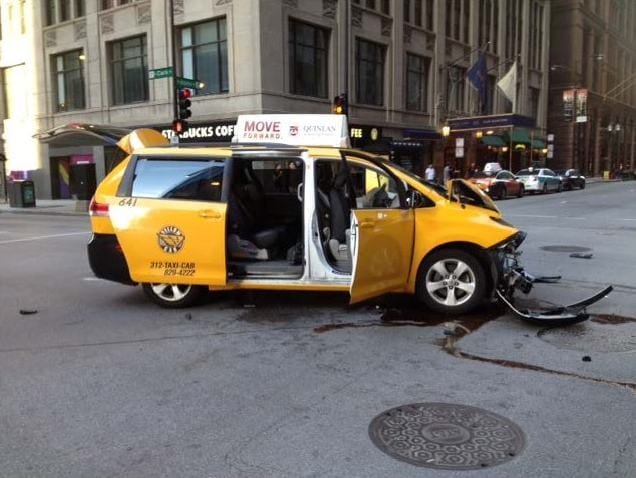
New York City never slows down and neither do its taxis. Long shifts, unpredictable schedules, and constant traffic can push drivers to their limits. When fatigue sets in, reaction time drops, judgment weakens, and the risk of a crash rises. If an accident happens under these conditions, a key question follows: can driver fatigue be used to prove negligence?
Understanding how fatigue affects liability and what evidence matters can help injured individuals decide whether to seek guidance from a qualified taxi accident lawyer in NY.

Why Driver Fatigue Is a Serious Safety Risk
Fatigue is often compared to impaired driving because it affects focus, coordination, and decision-making. In a city like New York where traffic conditions change quickly these impairments can lead to dangerous mistakes.
Common effects of fatigue include:
- Slower reaction time
- Reduced attention and awareness
- Poor judgment in traffic situations
- Difficulty maintaining lane position
- Micro-sleeps (brief, unintended lapses in attention)
When these issues contribute to a crash, the driver’s condition may become a central part of the case. A taxi accident lawyer in NYC evaluated whether fatigue played a role.
Why NYC Taxi Drivers May Become Overworked
Taxi drivers often work extended hours to meet financial demands. Unlike standard 9-to-5 jobs, driving schedules can be irregular and physically demanding.
Contributing factors:
- Long shifts without sufficient rest
- Night driving and irregular sleep patterns
- High passenger demand during peak hours
- Pressure to complete more trips
- Traffic congestion and stress
Taxis in New York are regulated by the New York Taxi and Limousine Commission, which sets certain standards. However, enforcement and real-world conditions can still lead to overwork.
How Fatigue Can Lead to Taxi Accidents
Fatigued drivers may struggle to respond appropriately in critical moments. Even a brief lapse can cause serious consequences.
Examples of fatigue-related accidents:
- Rear-end collisions due to delayed braking
- Running red lights or stop signs
- Drifting into other lanes
- Failing to yield to pedestrians
- Misjudging distances in traffic
When these behaviors result in injury, a taxi accident lawyer in NY may investigate whether exhaustion contributed to the incident.
Can Fatigue Be Used to Prove Negligence?
Yes, but proving fatigue is more complex than it may seem. Unlike visible hazards, fatigue is not always immediately obvious. It must be supported through evidence and careful analysis.
To establish negligence, it typically must be shown that:
- The driver had a duty to operate the vehicle safely
- That duty was breached due to fatigue or overwork
- The breach directly caused the accident
- The victim suffered measurable harm
A taxi accident lawyer may focus on connecting these elements through documented proof.
Evidence Used to Prove Driver Fatigue
Building a strong case often depends on identifying patterns that suggest the driver was overworked or exhausted.
Key types of evidence include:
- Driver shift records and work schedules
- GPS and trip data showing continuous driving
- Surveillance or dashcam footage
- Witness statements about driver behavior
- Accident reports noting signs of fatigue
In some cases, inconsistencies in driving patterns or unusually long hours may raise concerns. A taxi accident lawyer in NY may analyze this data to support a claim.
What If the Taxi Company Shares Responsibility?
In certain situations, liability may extend beyond the driver. If a taxi company encourages excessive working hours or fails to monitor driver fatigue, it may also be held accountable.
Potential company-related issues:
- Lack of oversight on driver schedules
- Failure to enforce rest breaks
- Poor training or safety policies
- Ignoring complaints about driver behavior
A taxi accident lawyer nyc may examine whether the company’s actions contributed to unsafe conditions.
Common Injuries in Fatigue-Related Taxi Accidents
Accidents caused by fatigued driving can result in serious injuries due to delayed reactions and high-impact collisions.
Frequently reported injuries:
- Head injuries and concussions
- Neck and spinal damage
- Broken bones
- Internal injuries
- Soft tissue damage
In many cases, these injuries require ongoing medical care. A personal injury lawyer in new york may evaluate how the injury affects long-term health and daily life.
Steps to Take After a Taxi Accident
Taking the right actions after an accident can help preserve evidence and protect legal rights.
Recommended steps:
- Seek immediate medical attention
- Report the accident to authorities
- Document the scene, if possible
- Collect witness information
- Avoid making detailed statements without proper understanding
These steps may provide valuable information for a case reviewed by a taxi accident lawyer in NY.
Challenges in Proving Fatigue
Fatigue is not always easy to prove because it does not leave clear physical evidence like alcohol or drugs.
Common challenges include:
- Lack of direct proof of exhaustion
- Limited access to driver records
- Disputes over working hours
- Difficulty linking fatigue directly to the accident
Despite these challenges, patterns in data and behavior can help build a strong case. A taxi accident lawyer nyc may use multiple sources of evidence to establish negligence.
How Compensation May Be Evaluated
If negligence is proven, compensation may be considered based on the impact of the injury.
Factors that may be evaluated:
- Medical expenses
- Lost income
- Pain and suffering
- Rehabilitation needs
- Long-term health effects
A personal injury lawyer in new york may assess how these factors apply to a specific situation.
Common Mistakes That Can Affect a Claim
Certain actions can weaken a case, especially in complex situations involving fatigue.
Common mistakes:
- Delaying medical treatment
- Failing to report the accident
- Not gathering evidence
- Assuming fatigue cannot be proven
- Missing important legal steps
Avoiding these mistakes can be important when exploring options with a taxi accident lawyer in NY.
When to Consider Legal Guidance
Fatigue-related taxi accidents often involve detailed investigations and multiple layers of liability. In cases involving serious injuries or unclear fault, exploring legal options may be beneficial.
A personal injury lawyer in new york may help:
- Review accident details
- Identify potential evidence of fatigue
- Determine liability
- Explain available legal options
This type of evaluation can help individuals make informed decisions about their next steps.
Understanding Your Rights After a Fatigue-Related Taxi Accident in New York
Taxi driver fatigue is a serious issue in a fast-paced city like New York. While not every accident involves negligence, situations where overwork or exhaustion contributes to unsafe driving may justify further investigation.
Understanding how fatigue affects liability—and what evidence matters—can help individuals better navigate the aftermath of an accident. Consulting a qualified taxi accident lawyer in NY may provide valuable clarity when considering legal options.
Contact Information
For individuals seeking guidance after a taxi-related accident in New York City, the following contact details may be helpful for further inquiries:
Address: 147 East 82nd Street Suite 6B New York, NY 10028
Phone: (917) 941 – 4094
Email: Ira@irapintel.com
FAQs
1. Can driver fatigue be used as evidence in a taxi accident case?
Yes, fatigue can be used to support a negligence claim if it contributed to unsafe driving and caused the accident.
2. What evidence helps prove a driver was overworked?
Shift records, trip data, and witness statements can help establish patterns of excessive working hours.
3. Is legal guidance important in fatigue-related taxi accidents?
Consulting a personal injury lawyer in new york may help in understanding legal options and gathering necessary evidence.